DESIGN
TECHNOLOGY
WEBSTACY®
© 2024 – 2026
Fast, custom-coded websites for small businesses, designed around one job: getting the right people to call, book or buy.
Get a Free AuditMost business websites are a template with a logo swapped in. They look fine, load slowly and say the same thing as every competitor. We design and build yours from scratch around your customers and what makes you worth choosing, then make sure Google can find it. You own every line of code.
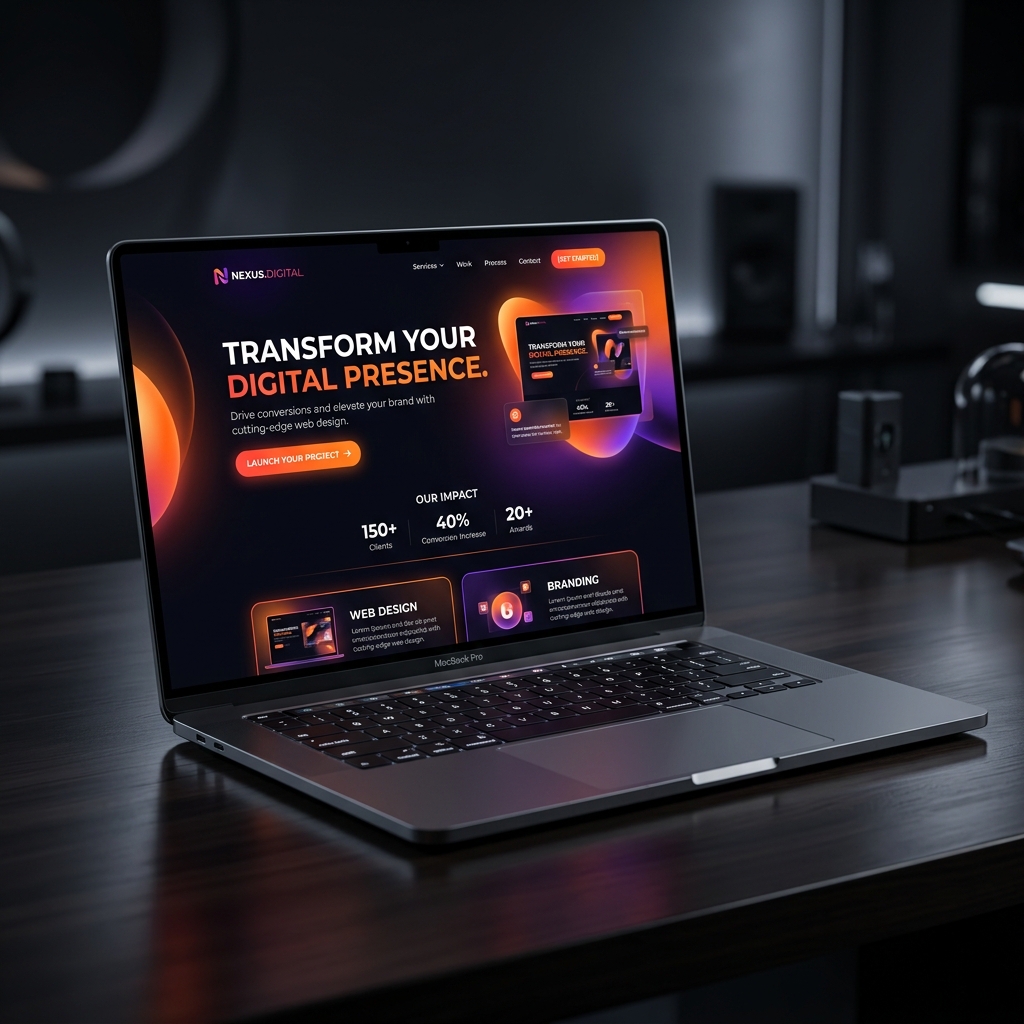
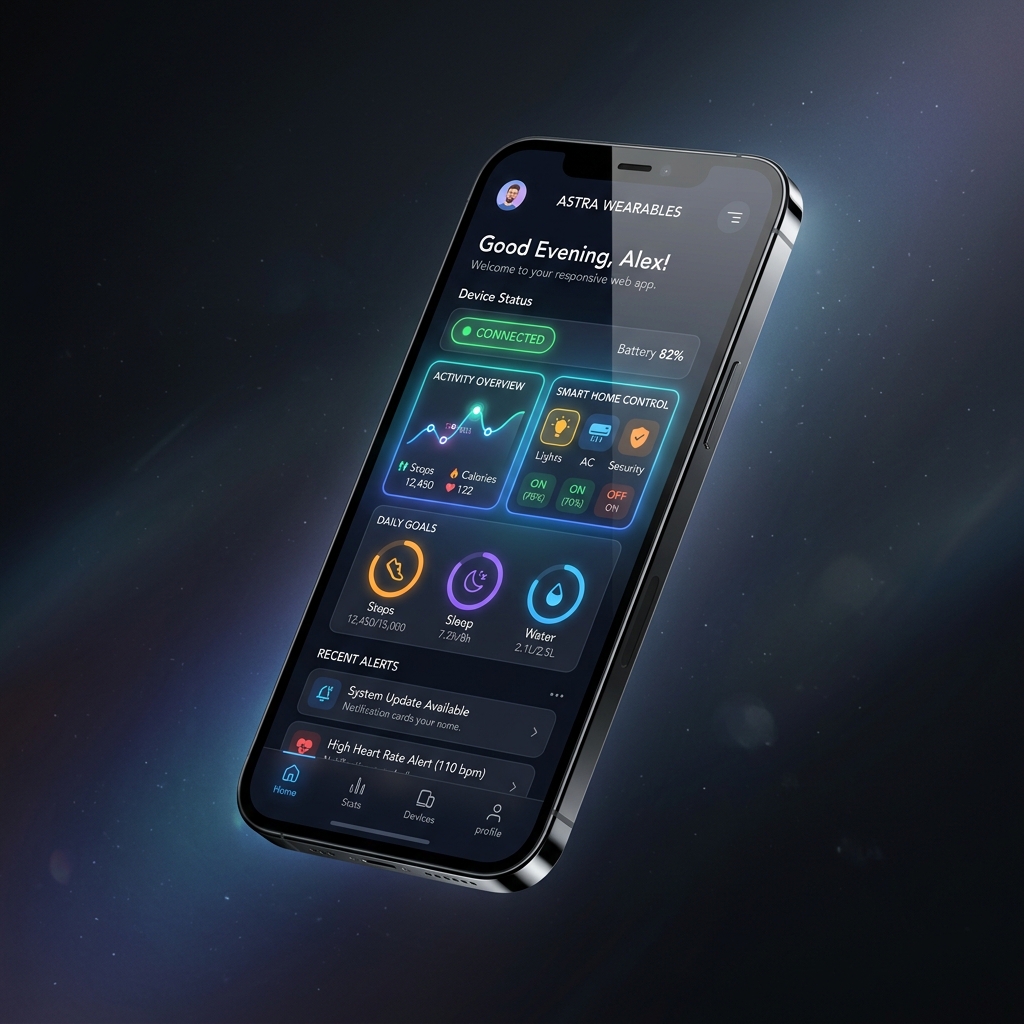
Layouts, copy and calls to action planned around what your buyers need to see before they get in touch. Not a theme with your colours on it.
Clear next steps on every page, forms that are easy to fill in on a phone, and tracking so you know which pages bring in leads.
Hand-coded in Next.js and tuned for Google's Core Web Vitals, so pages load in a second or two, even on mobile data.
Clean code, proper headings, schema markup and a sitemap, so Google understands your site the day it launches.
We learn how you win customers today, who you're up against, and what the site needs to do. You get a fixed quote and timeline.
We plan the pages and the path a visitor takes from landing to getting in touch, before any design work starts.
Full designs for desktop and mobile. You review them, ask for changes and approve before we write code.
We code the site, write or polish the copy, and connect your forms, booking, WhatsApp and analytics.
We check every page on real phones and browsers, test every form, and fix speed and SEO issues before launch.
We go live, move over any old pages with redirects so you keep your rankings, and walk you through everything.
Most businesses treat a website as a one-time expense — a digital brochure that gets built once and forgotten. That mindset is why so many sites quietly cost their owners revenue every month: slow load times push visitors to a competitor's tab, generic templates fail to communicate why a business is actually worth choosing, and rigid page builders make even small updates a multi-week ordeal. A custom-built website flips that equation. Built correctly, it becomes an asset that compounds — faster rankings, higher conversion rates, and a brand experience that matches the quality of the business behind it.
Custom development means every component — layout, interaction, animation, and backend logic — is written specifically for your business, not assembled from a marketplace theme. At Webstacy, that means a React and Next.js codebase you own outright, with no monthly platform fees, no plugin dependency chain, and no design ceiling imposed by a template's original structure.
| Factor | Template / Page Builder | Custom Built (Webstacy) |
|---|---|---|
| Code ownership | Licensed, tied to the platform | 100% yours, exportable |
| Design flexibility | Constrained by theme structure | Unlimited — built to spec |
| Core Web Vitals | Often weighed down by unused plugin code | Engineered for LCP ≤ 2.5s, INP ≤ 200ms, CLS ≤ 0.1 |
| Monthly platform fees | Recurring subscription, per-app add-ons | None — you own the hosting decision |
| Scalability | Hits structural limits as the business grows | Architected to extend without a rebuild |
Custom development makes the most sense for businesses past the "just get something online" stage — companies where the website is a primary sales channel, where brand differentiation matters, or where an existing template site has become a bottleneck (slow, hard to update, or converting poorly). It's the right call for service businesses competing on trust and credibility, e-commerce brands that need full control over the buying flow, and any company planning to add a CRM, booking system, or automation layer on top of the site later — since a custom codebase integrates with those systems far more cleanly than a page builder can.
Every Webstacy build runs on Next.js and React for the front end, styled with a modern CSS architecture (typically Tailwind CSS), and deployed to edge-optimized hosting for fast global load times. Where a project needs it, we layer in GSAP for motion design, headless CMS integrations for teams that need to edit content without touching code, and API connections into CRM, ERP, or booking systems — all covered in more depth in our CRM & ERP portal service and business automation service.
If two or more of those apply, the cost of staying on a template usually exceeds the cost of a rebuild within a year — in lost conversions alone. See how this played out for a real client in our Finch Mortgages case study, or compare the full picture in our guide to custom websites vs. templates.
Fifteen years of credibility. Access to 20+ lenders. All of it buried in a paragraph nobody scrolled to
Case Study30+ machines. Only 20 were ever booked. Now every single one works — across all of Coimbatore.
Case Study25 years in the field. Zero online presence. One system uncovered ₹1.4 crore that was already there
Case StudyHow PlotX closed a ₹73,00,000 sale with trust buyers believed, and a system that let no lead go quiet
Case StudyLakhs in deals were slipping through — not because interest faded, but because the team was busy with the wrong ones
Case StudyHow Trayam went from zero organic visibility to ranking #1 for "Best Veg Restaurant in Hennur"
Case StudyA brand-new brand. A brand-new store. 4,000+ products live from day one — with zero manual order chasing.
Most marketing and corporate sites ship in 3–6 weeks from kickoff, depending on page count and integrations. You'll get a clear timeline before work starts.
Both. We regularly build from Figma files or wireframes supplied by your team or agency, and we also handle full design plus build when you're starting from nothing.
Yes — every build runs on modern Next.js architecture, tuned for Core Web Vitals, and tested across devices before launch.
You get documentation and a handover session, plus the option to keep us on for ongoing updates, SEO, or automation work — with no lock-in.
Pricing depends on page count, integrations, and design complexity — a marketing site typically costs less than a portal or e-commerce build. You'll get a fixed quote after the discovery call, not an hourly estimate that can run over.
Yes — copy, images, and SEO metadata (titles, meta descriptions, redirects) are migrated as part of the build so you don't lose existing rankings during the switch.
We can wire up a headless CMS so your team can update copy, images, and blog posts without touching code — or keep the site fully static if you'd rather changes go through us.
Website quotes for the same business can range from a few hundred to tens of thousands. Here's what you actually get at each price point, and the questions that tell you whether a quote is fair.
WebsitesTemplates are cheap and quick. Custom sites cost more and fit you properly. Here's how to decide which one your business needs right now.
WebsitesMost website projects that go wrong could have been spotted in the first call. Here are the questions to ask, what good answers sound like, and the red flags to walk away from.
 webstacy