 Get Free Audit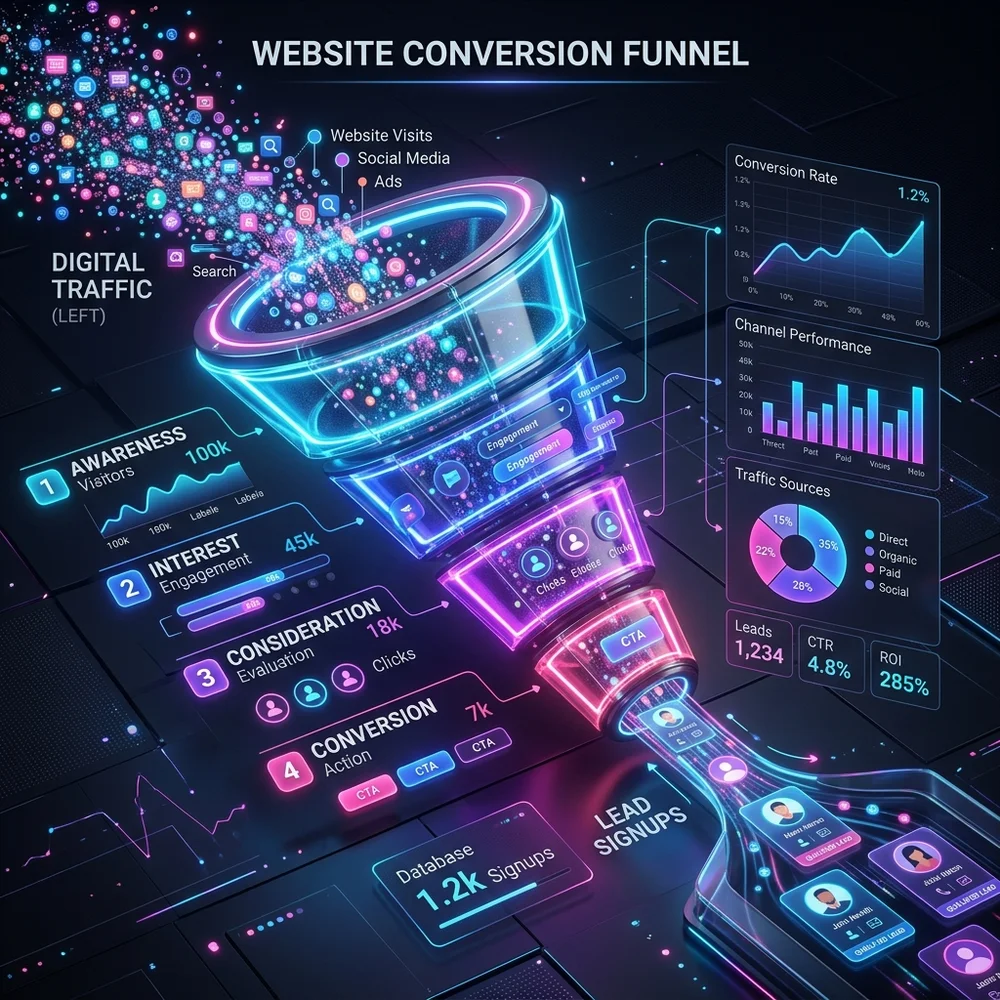
The Crucial Role of Web Design for Startups
When launching a startup, you have a limited window to prove your value to investors and early adopters. If your website looks amateurish, loads slowly, or features a generic template design, users will immediately question your product's legitimacy.
Optimizing the crucial role of web design for startups is vital for digital growth. We recommend linking all forms directly to CRM autoresponder sequences. This ensures search spiders can crawl and index your keywords. By removing visual clutter, you build long-term reader trust.
Strategic **web design for startups** builds immediate credibility, clarifies complex products, and captures early interest. Let's look at the growth numbers.
Key Optimization Tactic
Focus on user experience first. Ensure heading tag hierarchy outline is semantic (H1, H2, H3). Consequently, site conversion rates will compound and index scores will improve.
Define Your Minimum Viable Website (MVW)
Startups often try to build a massive, complex corporate website from day one, delaying their launch by months. Instead, focus on a **Minimum Viable Website (MVW)**. This is a lean, single-page or 3-page site that clearly defines your product, showcases its features, and features a single sign-up field. Partnering with an experienced agency like Webstacy ensures these technical standards are met.
Optimizing define your minimum viable website (mvw) is vital for digital growth. Proper execution balances aesthetic appeal with page speed performance. This helps direct traffic toward your primary call-to-action. By removing visual clutter, you build long-term reader trust.
This allows you to launch quickly, drive early traffic, and test product-market fit based on real customer data before committing resources to a complex development build.
Key Optimization Tactic
Focus on user experience first. Review mobile layouts and check button tap targets on small screens. Consequently, site conversion rates will compound and index scores will improve.
Choose a Scalable Technology Stack
Your website stack must scale alongside your funding. Avoid closed systems or rigid proprietary builders. Choosing clean, standard development stacks (like vanilla HTML/CSS or frameworks like Next.js) ensures that you own your source files and can add advanced dashboards and integrations easily later.
Focus Entirely on Lead Generation & CRO
A startup website needs to drive active conversions—whether that means acquiring newsletter signs, product waitlist registrations, or sales call bookings. Keep forms down to 1-2 fields, use contrasting CTA colors, and place the registration fields prominently above the fold. Consult the team at Webstacy to review your digital performance and optimize your revenue metrics.
→ Conversion Tips: Advanced conversion rate optimization strategies.Establish a Premium Visual Brand Identity
First impressions dictate user trust. Invest in a professional brand guide outlining typography, clean margins, and harmonized color palettes. A sleek, premium design elevates your startup's market positioning, helping you look like an established market leader from day one.
→ UI vs UX: Understand how design systems and structures interact.Optimize for Search Engine Visibility (SEO)
While paid advertising campaigns drive instant traffic, organic search provides long-term, free lead flow. Set up clean page hierarchies, use proper semantic tags, write descriptive meta titles, and submit sitemaps to Search Console from launch day.
→ SEO Web Design: Master the principles of search-optimized design.Leverage High-Performance Speed Architectures
Slow page speeds kill conversion rates. Startups must optimize site speed by keeping code assets clean, using fast hosting servers, implementing CDN caching, and compressing visual files to modern WebP formats.
→ Speed Guide: Complete guide to website speed optimization.Choose Low-Maintenance Hosting Packages
Your team should focus on product growth, not server errors. Choose secure, managed hosting providers that handle daily server updates, SSL certification, and automatic backups smoothly, guaranteeing 99.9% site uptime.
Display Growth Metrics & Social Proof
If you don't have client reviews yet, showcase other trust indicators: size of your user waitlist, advisory board logos, press mentions, or system security certifications. Social proof establishes early trust and drives registrations.