 Get Free Audit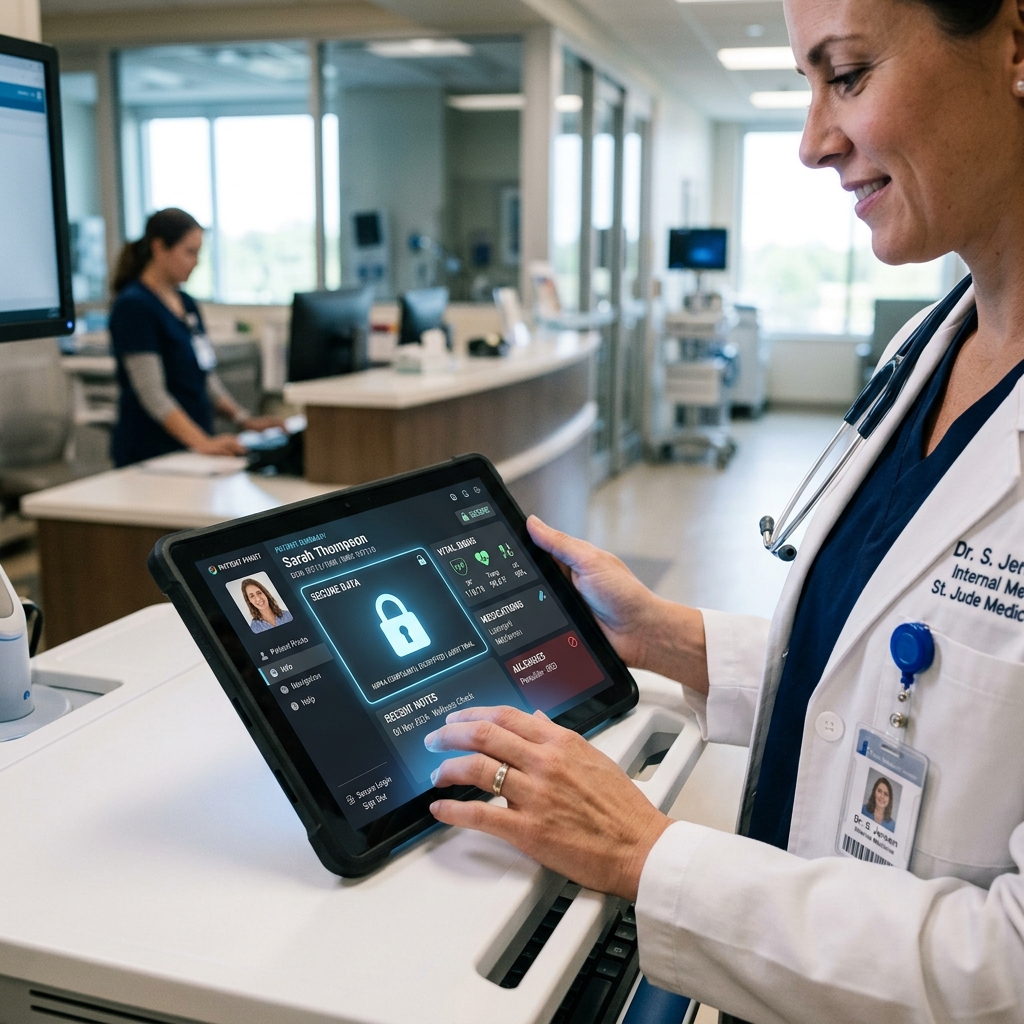
In the healthcare sector, patient intake is arguably the most critical operational bottleneck.
For elective clinics (plastic surgery, specialized dentistry, concierge medicine), inefficient intake means losing high-value patients to competitors who answer the phone faster. For general practices, inefficient intake means front-desk staff are overwhelmed with paperwork, leading to crowded waiting rooms, frustrated patients, and massive administrative overhead.
The Legacy of Paper and PDFs
The standard patient onboarding process is painfully outdated. A patient requests an appointment online. A receptionist calls them the next day to confirm. The patient is emailed a static PDF to print, fill out, and bring to the office. They arrive, hand over the paper, and a medical assistant spends 15 minutes manually typing that data into an Electronic Health Record (EHR) system.
This process is prone to transcription errors, violates the modern expectation of digital convenience, and creates an artificial ceiling on how many patients a clinic can process in a day.
The Autonomous Clinical Engine
Modern healthcare facilities are replacing front-desk data entry with fully automated, HIPAA-compliant digital intake engines.
1. Dynamic Symptom Triage
Instead of a generic “Request Appointment” form, patients interact with a dynamic web application. Based on the reason for their visit, the form conditionally expands. If they select “Joint Pain,” it autonomously asks a series of specialized questions regarding mobility and duration, building a comprehensive chart before the patient ever steps foot in the clinic.
2. Autonomous EMR Integration
When the secure form is submitted, the data does not go to a receptionist’s email. It is routed securely via API directly into the clinic’s EMR/EHR system (like Epic, Cerner, or Athenahealth). The patient file is created, the medical history is populated, and the physician can review the chart instantly.
3. Automated Follow-up and Logistics
The engine then autonomously handles the logistics. It triggers an SMS to the patient confirming the appointment, provides Google Maps directions to the clinic, and outlines pre-appointment instructions (e.g., “Do not eat for 12 hours prior to your blood work”).
Scaling Revenue While Improving Care
The benefits of automated intake extend far beyond administrative efficiency.
When your clinical staff is relieved from the burden of data entry and appointment chasing, they can return their focus to actual patient care. Wait times plummet. Patient satisfaction scores rise.
From a revenue perspective, elective clinics can process and qualify high-ticket leads instantly, ensuring that a prospect looking for a $15,000 procedure is contacted and booked within minutes, not days. Automation isn’t just about saving money on receptionists; it’s about building a modern, frictionless healthcare experience that drives growth.