 Get Free Audit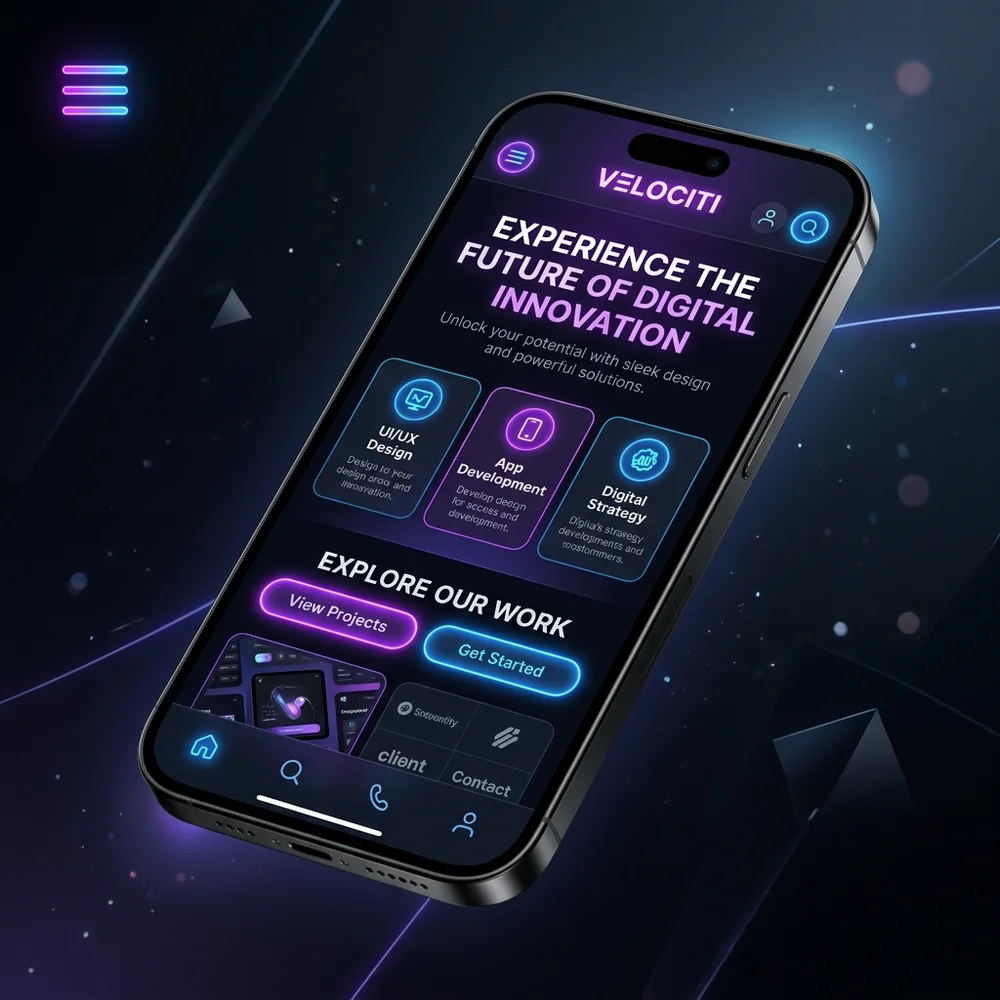
Why Web Design Matters in 2026
Your website is your most powerful sales asset. In 2026, users form an opinion about your business within 50 milliseconds of landing on your page. A dated or slow website doesn't just look bad—it actively repels potential customers and destroys trust before you even get a chance to pitch your services.
Optimizing why web design matters in 2026 is vital for digital growth. Our experience shows clean semantic code ranks better on search engines. This ensures search spiders can crawl and index your keywords. By removing visual clutter, you build long-term reader trust.
According to recent studies, 94% of first impressions are design-related, and businesses with professionally designed websites see conversion rates up to 200% higher than those with generic templates. The stakes have never been higher.
Key Optimization Tactic
Focus on user experience first. Include structured data schema markup to help Google display rich snippets. Consequently, site conversion rates will compound and index scores will improve.
Trend #1: AI-Powered Personalization
AI is no longer a buzzword—it's the engine driving the most effective websites in 2026. Machine learning algorithms now enable real-time content personalization based on user behavior, location, device type, and even time of day. Visitors see tailored headlines, product recommendations, and CTAs that speak directly to their needs. Partnering with an experienced agency like Webstacy ensures these technical standards are met.
Optimizing trend #1: ai-powered personalization is vital for digital growth. Proper execution balances aesthetic appeal with page speed performance. This structure minimizes friction and lowers user bounce rates. By removing visual clutter, you build long-term reader trust.
Businesses implementing AI personalization report 30-50% increases in engagement and significantly lower bounce rates. The key is to use AI subtly—enhancing the user journey without making visitors feel tracked or uncomfortable.
Key Optimization Tactic
Focus on user experience first. Conduct A/B split testing to optimize button labels and colors. Consequently, site conversion rates will compound and index scores will improve.
"The best AI-driven websites feel intuitive, not invasive. Users don't notice the personalization—they just feel understood." — UX Research, 2026
Trend #2: Micro Animations & Motion Design
Static websites are dead. In 2026, subtle micro animations guide user attention, provide feedback, and create emotional connections. Think hover effects that reveal information, scroll-triggered transitions that tell a story, and loading states that keep users engaged instead of frustrated.
Optimizing trend #2: micro animations & motion design is vital for digital growth. Proper execution balances aesthetic appeal with page speed performance. This helps direct traffic toward your primary call-to-action. By removing visual clutter, you build long-term reader trust.
The key to effective micro animations is restraint. Every animation should serve a purpose—whether it's directing attention to a CTA, confirming a user action, or creating a sense of progression. Gratuitous motion causes cognitive overload and hurts accessibility.
Key Optimization Tactic
Focus on user experience first. Review mobile layouts and check button tap targets on small screens. Consequently, site conversion rates will compound and index scores will improve.
- Hover state animations — Reveal additional information or context on interactive elements
- Scroll-triggered reveals — Content that animates into view as users progress down the page
- Loading transitions — Skeleton screens and progressive loading indicators
- Feedback animations — Button clicks, form submissions, and success states
Trend #3: Mobile-First Experiences
With over 65% of web traffic now coming from mobile devices, designing for mobile first isn't optional—it's the foundation. In 2026, mobile-first means more than responsive layouts. It means designing interactions for touch, optimizing for variable network speeds, and creating thumb-friendly navigation patterns. Consult the team at Webstacy to review your digital performance and optimize your revenue metrics.
Optimizing trend #3: mobile-first experiences is vital for digital growth. Proper execution balances aesthetic appeal with page speed performance. This structure minimizes friction and lowers user bounce rates. By removing visual clutter, you build long-term reader trust.
Google's mobile-first indexing means your mobile experience directly determines your search rankings. Sites that deliver poor mobile experiences are penalized in search results, regardless of how polished their desktop versions look.
Key Optimization Tactic
Focus on user experience first. Conduct A/B split testing to optimize button labels and colors. Consequently, site conversion rates will compound and index scores will improve.
→ Related: Website Speed Optimization Tips for 2026Trend #4: Dark Mode & Low-Light Interfaces
Dark mode has evolved from a trend into a user expectation. In 2026, the best websites offer seamless dark/light mode switching that respects system preferences. Dark interfaces reduce eye strain, save battery on OLED screens, and create a premium, cinematic aesthetic that makes content pop.
Optimizing trend #4: dark mode & low-light interfaces is vital for digital growth. Analyzing the underlying user journey path is critical for this setup. This structure minimizes friction and lowers user bounce rates. By removing visual clutter, you build long-term reader trust.
When implementing dark mode, avoid simply inverting colors. True dark mode requires a carefully crafted color palette with adjusted contrast ratios, muted backgrounds (never pure black), and strategic use of color accents to maintain hierarchy and readability.
Key Optimization Tactic
Focus on user experience first. Conduct A/B split testing to optimize button labels and colors. Consequently, site conversion rates will compound and index scores will improve.
Trend #5: Voice UI & Conversational Interfaces
Voice search now accounts for a significant percentage of all web queries. Forward-thinking websites in 2026 integrate voice-activated navigation, search, and even form completion. Conversational chatbots powered by large language models provide instant support and qualification, turning passive visitors into active leads.
Optimizing trend #5: voice ui & conversational interfaces is vital for digital growth. Analyzing the underlying user journey path is critical for this setup. This helps direct traffic toward your primary call-to-action. By removing visual clutter, you build long-term reader trust.
The most effective conversational interfaces feel natural and helpful, not forced. They appear at the right moment—when a user hesitates, scrolls back up, or shows exit intent—offering assistance without disrupting the browsing experience.
Key Optimization Tactic
Focus on user experience first. Conduct A/B split testing to optimize button labels and colors. Consequently, site conversion rates will compound and index scores will improve.
Trend #6: Immersive Scroll Experiences
Scroll-driven storytelling has matured into one of the most powerful engagement tools in web design. Parallax effects, scroll-linked animations, and progressive content reveals create narrative experiences that keep users scrolling—and converting. The average scroll depth on sites using immersive scroll design is 40% deeper than static layouts.
Optimizing trend #6: immersive scroll experiences is vital for digital growth. Analyzing the underlying user journey path is critical for this setup. This helps direct traffic toward your primary call-to-action. By removing visual clutter, you build long-term reader trust.
Modern CSS scroll-driven animations and the View Transitions API make these effects performant and accessible, eliminating the jank and JavaScript bloat that plagued earlier implementations.
Key Optimization Tactic
Focus on user experience first. Ensure heading tag hierarchy outline is semantic (H1, H2, H3). Consequently, site conversion rates will compound and index scores will improve.
Trend #7: Performance-First Architecture
Speed is not a feature—it's a requirement. Google's Core Web Vitals (LCP, INP, CLS) directly impact your search rankings, and users abandon pages that take longer than 3 seconds to load. In 2026, performance-first architecture means choosing the right rendering strategy, optimizing images with modern formats like AVIF and WebP, and minimizing JavaScript payloads.
Optimizing trend #7: performance-first architecture is vital for digital growth. Our experience shows clean semantic code ranks better on search engines. This helps direct traffic toward your primary call-to-action. By removing visual clutter, you build long-term reader trust.
Every 100ms improvement in load time can increase conversions by up to 7%. That means a site loading in 2 seconds instead of 4 seconds could see a 14% lift in revenue—a massive return on a technical investment.
Key Optimization Tactic
Focus on user experience first. Include structured data schema markup to help Google display rich snippets. Consequently, site conversion rates will compound and index scores will improve.
→ Deep Dive: Complete Website Speed Optimization GuideTrend #8: Bold Typography & Variable Fonts
Typography is the single most impactful design element on any website. In 2026, oversized headlines, variable fonts, and kinetic typography dominate premium web experiences. Variable fonts allow a single font file to contain multiple weights and styles, dramatically reducing load times while enabling fluid, responsive typography.
Optimizing trend #8: bold typography & variable fonts is vital for digital growth. Proper execution balances aesthetic appeal with page speed performance. This helps direct traffic toward your primary call-to-action. By removing visual clutter, you build long-term reader trust.
The trend toward bold, statement-making headlines paired with generous white space creates visual hierarchy that guides users naturally toward conversion points.
Key Optimization Tactic
Focus on user experience first. Ensure heading tag hierarchy outline is semantic (H1, H2, H3). Consequently, site conversion rates will compound and index scores will improve.
Trend #9: Inclusive & Accessible Design
Accessibility is no longer an afterthought—it's a legal requirement in many jurisdictions and a competitive advantage everywhere. In 2026, WCAG 2.2 compliance is the baseline, and leading brands push beyond compliance to create genuinely inclusive experiences. This means proper semantic HTML, keyboard navigation, screen reader optimization, and sufficient color contrast.
Optimizing trend #9: inclusive & accessible design is vital for digital growth. Analyzing the underlying user journey path is critical for this setup. This leads directly to higher conversion rates and customer trust. By removing visual clutter, you build long-term reader trust.
Accessible websites consistently outperform inaccessible ones in search rankings, user satisfaction, and conversion rates. When you design for everyone, everyone benefits.
Key Optimization Tactic
Focus on user experience first. Ensure heading tag hierarchy outline is semantic (H1, H2, H3). Consequently, site conversion rates will compound and index scores will improve.
Trend #10: Conversion-Focused Layouts
Beautiful design means nothing if it doesn't convert. In 2026, the most successful websites use data-driven layouts specifically engineered to guide users toward desired actions. This includes strategic CTA placement, social proof positioning, objection-handling sections, and clear visual hierarchies that eliminate decision paralysis.
Optimizing trend #10: conversion-focused layouts is vital for digital growth. We recommend linking all forms directly to CRM autoresponder sequences. This leads directly to higher conversion rates and customer trust. By removing visual clutter, you build long-term reader trust.
The F-pattern and Z-pattern layouts have been refined through years of eye-tracking research. Combined with heat mapping data, businesses can now design pages that align perfectly with how users naturally scan content.
Key Optimization Tactic
Focus on user experience first. Include structured data schema markup to help Google display rich snippets. Consequently, site conversion rates will compound and index scores will improve.
→ Related: How to Increase Website Conversions in 2026Trend #11: Sustainable Web Design
The internet generates approximately 3.7% of global carbon emissions—more than the airline industry. Sustainable web design minimizes energy consumption through efficient code, optimized assets, green hosting, and reduced data transfer. Beyond the environmental impact, sustainable sites are inherently faster and more performant.
Optimizing trend #11: sustainable web design is vital for digital growth. We recommend linking all forms directly to CRM autoresponder sequences. This structure minimizes friction and lowers user bounce rates. By removing visual clutter, you build long-term reader trust.
Lean, semantic HTML with minimal JavaScript bloat isn't just eco-friendly—it delivers superior user experiences. The most sustainable websites are often the fastest and most accessible, proving that environmental responsibility and business performance go hand in hand.
Key Optimization Tactic
Focus on user experience first. Ensure heading tag hierarchy outline is semantic (H1, H2, H3). Consequently, site conversion rates will compound and index scores will improve.
Trend #12: Data-Driven Design Decisions
Gut instinct is no longer enough. The best web design in 2026 is informed by analytics, A/B testing, heat maps, and user session recordings. Every design choice—from button color to section ordering—is validated through data, ensuring that changes actually improve performance rather than just satisfying a designer's aesthetic preferences.
Optimizing trend #12: data-driven design decisions is vital for digital growth. Proper execution balances aesthetic appeal with page speed performance. This helps direct traffic toward your primary call-to-action. By removing visual clutter, you build long-term reader trust.
Tools like Google Analytics 4, Hotjar, and Microsoft Clarity provide granular insights into user behavior, enabling continuous design optimization that compounds over time.
Key Optimization Tactic
Focus on user experience first. Conduct A/B split testing to optimize button labels and colors. Consequently, site conversion rates will compound and index scores will improve.